The Arosa Blog

Aging with Pride: Supporting LGBTQ+ Older Adults Through Compassionate Care Management
Editor’s Note: During Pride Month, we asked three Arosa care managers from across the country to share their experiences supporting LGBTQ+ older adults. Their insights highlight the importance of person-centered care, trust, advocacy, and ensuring every older adult has the opportunity to age with dignity and authenticity.
By featuring the perspectives of care managers from Boston, San Diego, and Reno, we hope to foster a deeper understanding of the nuances of LGBTQ+ aging and the role compassionate care can play in helping older adults feel seen, respected, and supported.
As we celebrate Pride Month, it’s important to recognize that today’s LGBTQ+ older adults have lived through decades of social change, resilience, and progress. Many came of age during a time when being open about their identity resulted in discrimination, rejection, or unequal treatment within healthcare systems.
The impacts from those experiences don’t simply disappear with age. For many LGBTQ+ older adults, they continue to shape how they approach healthcare, caregiving, relationships, and support services today.
At Arosa, we believe every person deserves to be treated with dignity, compassion, and respect. To better understand the unique experiences of LGBTQ+ older adults—and how care management can help—we spoke with three experienced Arosa care managers from across the country: Peter Sakellariou in Boston, Teresa Barker in San Diego, and Debbie Collins, RN, in Reno.
While each brought a different perspective, a common theme emerged throughout every conversation: great care begins with seeing the whole person.
Meet the Contributors
Peter Sakellariou, Care Manager – Boston
With a background in hospice chaplaincy, home care leadership, and care management, Peter brings a compassionate, person-centered approach to supporting older adults and their families. His career has been rooted in service, advocacy, and helping individuals navigate life’s most complex transitions.
Teresa Barker, Care Manager – San Diego
With more than 20 years of experience in care management and family caregiving, Teresa specializes in helping older adults and caregivers navigate complex care decisions while maintaining independence and dignity. Her commitment to LGBTQ+ advocacy extends beyond her professional work and includes participation in advocacy efforts with SAGE, a national organization dedicated to improving the lives of LGBTQ+ older adults.
Debbie Collins, RN, Care Manager – Reno
A registered nurse with 45 years of healthcare experience, Debbie has spent decades advocating for older adults and witnessed firsthand the evolution of care for LGBTQ+ individuals from the early AIDS epidemic through today. Her experiences offer a unique perspective on both the progress that has been made and the work that remains.
Every Person Has a Unique Story
Person-centered care is a phrase often used in healthcare, but for Arosa’s care managers, it is much more than a philosophy—it is the foundation of their work.
Peter Sakellariou has spent nearly a decade supporting older adults through home care and care management. Before joining Arosa, he owned a home care agency and previously served as a hospice chaplain.
“What led me to care management is the same as what led me to home care,” Peter explains. “Serving as a hospice chaplain allowed me to see firsthand the challenges faced by seniors today, like isolation, neglect, and various chronic or mental health conditions.”
For Peter, individualized care is essential.
“I’ve always believed that care should be person centered. One-size-fits-all approaches are rarely effective in the long term. Each person is an individual with a unique history, culture, personality, and talent.”
Teresa shares a similar philosophy.
“Person-centered, inclusive care means recognizing and honoring each individual as the expert in their own life. It involves helping people remain as self-directed and independent as possible while tailoring support to their unique preferences, values, identities, relationships, and life experiences.”
For LGBTQ+ older adults, that level of personalization can be especially meaningful. It acknowledges that every person’s story is different and that quality care begins by understanding the individual rather than making assumptions.
Understanding the Historical Context of LGBTQ+ Aging
When discussing LGBTQ+ aging, it’s impossible to ignore the historical experiences that many older adults have lived through.
Some spent years concealing parts of their identity in order to feel safe. Others lost partners, friends, and community members during the HIV/AIDS epidemic.
These experiences can shape how older adults interact with care providers today.
“Many LGBTQ+ older adults have lived through periods when discrimination was commonplace in healthcare, housing, employment, and social services,” Teresa explains. “As a result, some may approach aging and care systems with understandable caution or mistrust.”
Teresa’s commitment to supporting LGBTQ+ older adults extends beyond her work as a care manager. She has participated in advocacy efforts with SAGE, the nation’s leading organization dedicated to improving the lives of LGBTQ+ older adults, including marching with the organization during Pride celebrations in New York City. Through both her professional and advocacy experiences, she has seen firsthand how past experiences with discrimination can continue to influence how older adults interact with healthcare and support systems today.
“When someone has spent years feeling judged, dismissed, or unsafe in healthcare settings, it can be difficult to trust providers or ask for help,” Teresa explains. As a result, some LGBTQ+ older adults may delay seeking support, avoid important healthcare conversations, or wait until a crisis occurs before engaging services. Those delays can increase caregiver stress, lead to avoidable hospitalizations, and make it more difficult for older adults to remain safely and independently at home. Building trust early can help ensure individuals receive the support they need before challenges become emergencies.
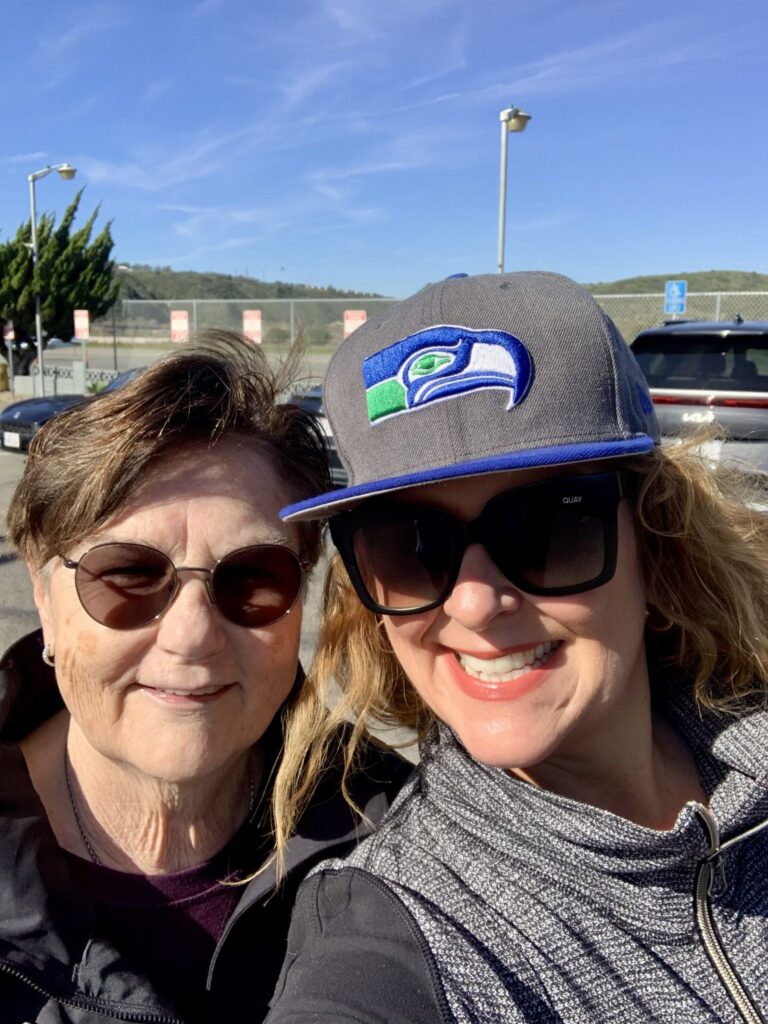
Debbie Collins, RN, has witnessed these realities from another perspective throughout her 45-year nursing career.
Her advocacy for LGBTQ+ clients began while caring for AIDS patients during the 1980s.
“I first noticed bias against gay people in 1986 while working on an oncology unit,” Debbie recalls. “Partners, if not family members, were not allowed to be present at many deathbeds. Our chaplain didn’t offer last rites nor prayers of healing. Every single item the patients touched was thrown away in huge bags marked contaminated.”
While healthcare has evolved significantly since those early days, Debbie believes there is still work to be done.
“While treatment for LGBTQ+ clients is nowhere near that archaic now, I still worry about inequity of care.” Her perspective serves as a powerful reminder that many LGBTQ+ older adults carry memories of systems that did not always treat them fairly, respectfully, or equally. Understanding that history helps explain why compassion, empathy, and trust remain so important today.
Why Trust Matters
One of the strongest themes shared by all three care managers was the importance of trust.
For many LGBTQ+ older adults, trust is not automatically given—it must be earned.
Peter has observed this repeatedly throughout his work.
“A recurring theme observed in LGBTQ+ older adults is a noticeable trust deficit, which means building a rapport often requires more time. This is understandable given the numerous instances where trust has been compromised throughout their lives.”
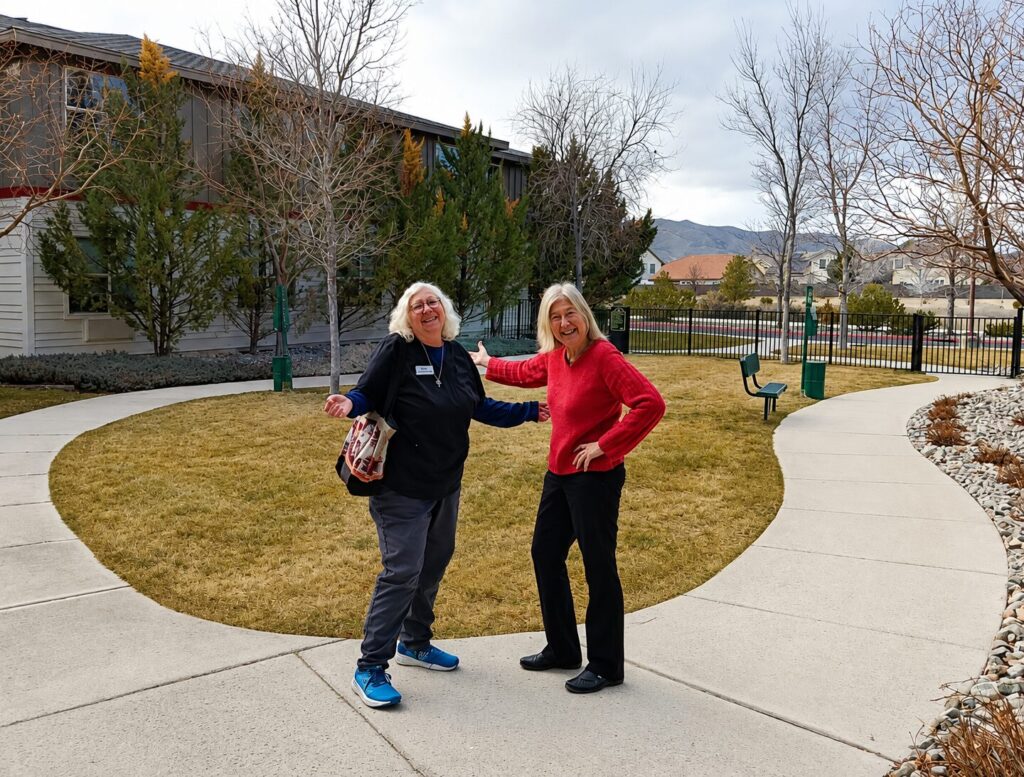
But he also notes something remarkable.
“Once trust is established, it becomes truly resilient.”
Teresa agrees.
“Trust is the foundation of effective care. As care managers, we have a responsibility to create affirming relationships, listen without assumptions, and serve as trusted partners in helping clients navigate systems that have not always been inclusive.”
Building trust often begins with simple but meaningful actions: listening without judgment, respecting personal identities and relationships, and allowing people to tell their stories in their own words.
The Importance of Chosen Family
Traditional care planning often focuses on spouses, children, and immediate relatives. However, many LGBTQ+ older adults have built support networks that extend beyond traditional family structures.
For some, close friends become primary caregivers. Others rely on partners, neighbors, or chosen family members who have been present for decades.
Understanding those relationships is a critical part of effective care management.
“Chosen family and nontraditional support networks often play a critical role in caregiving and decision-making,” Teresa explains. “Effective care planning requires taking the time to understand who is important in a person’s life rather than making assumptions based on traditional family structures.”
Peter has witnessed the strength of these relationships firsthand.
“I have seen that friends in particular are very supportive if you are part of the LGBTQ+ older adult community. It’s quite moving because they tend to be very loyal and consistent in their friendship.”
By taking the time to understand each person’s support system, care managers can help ensure that the people who matter most are included in planning conversations and care decisions.
Advocacy Still Matters
While significant progress has been made, LGBTQ+ older adults can still encounter situations where they feel misunderstood, dismissed, or treated differently.
Debbie shared several examples from her career that illustrate why advocacy remains such an important part of care management.
Despite decades of social progress, she still occasionally hears comments from healthcare professionals that reflect bias or misunderstanding.
“As care managers, the best way we can educate and advocate is to recognize and comment when we see or hear unusual treatment of gay and lesbian clients.”
She believes that advocacy often means speaking up, asking questions, and ensuring that clients receive the same level of respect and care as anyone else.
At the same time, she has also witnessed the resilience and humor many of her clients bring to these situations.
“My clients consistently counter odd observations with humor,” she says. “I love them for that.”
Advocacy is not always dramatic. Often, it is found in everyday moments: ensuring a partner is included in conversations, correcting assumptions, honoring a person’s wishes, and helping clients navigate systems that can sometimes feel overwhelming.
Connecting People to Community
Care management is not only about coordinating healthcare services. It is also about helping people maintain meaningful connections, purpose, and quality of life.

Peter recalls working with a client who was grieving the loss of her partner.
“I found an LGBTQ+ support group that met virtually every week. At first she was very hesitant, but by the second meeting she was totally into it.”
For Peter, this experience reinforced one of the most important aspects of care management.
“One of our most important missions is to provide resources that are individualized for each client.”
Whether that means finding support groups, community organizations, social opportunities, or specialized services, those connections can have a profound impact on emotional well-being and reduce feelings of isolation.
Aging With Pride
When asked what the phrase “aging with pride” means, each care manager offered a perspective rooted in dignity, authenticity, and respect.
For Teresa, it means having the freedom to grow older as your authentic self.
“Every person deserves the opportunity to age with confidence, connection, and pride in who they are.”
For Peter, aging with pride begins with recognizing one’s own worth.“It is the conviction that every person, regardless of their background, economic standing, or who they love, is entitled to be treated with equal compassion and respect.”
Perhaps that is the message at the heart of compassionate care management.
Every person deserves to feel safe. Every person deserves to feel respected. Every person deserves to be seen for who they are.
At Arosa, we believe aging with pride isn’t simply about growing older.
It’s about growing older while being fully seen, fully respected, and fully yourself.