The Arosa Blog
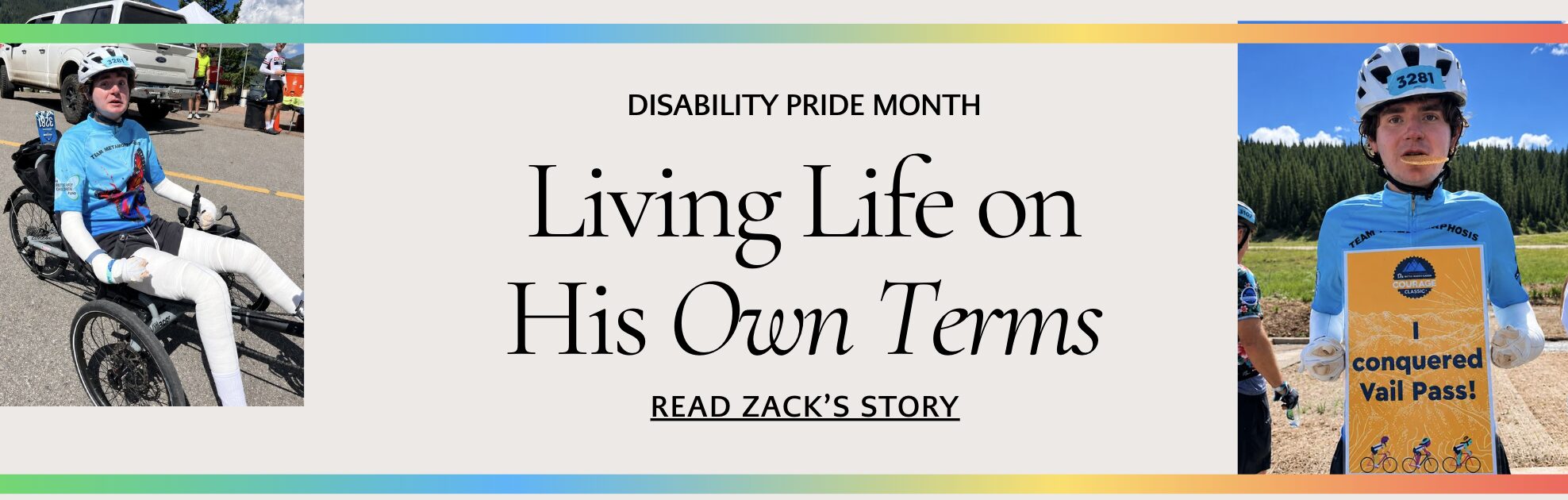
Disability Pride Month: Zack’s Story
Every July, Disability Pride Month celebrates the strength, resilience, and achievements of the more than one billion people worldwide living with disabilities. It is a time to recognize that disability is a natural part of the human experience and to celebrate the unique perspectives, talents, and contributions people with disabilities bring to their families, workplaces, and communities.
Disability Pride Month is also an opportunity to rethink what independence really means. Independence doesn’t always mean doing everything alone. For many adults living with disabilities, independence comes from having the right support system—one that empowers them to make their own choices, pursue their goals, and live life on their own terms.
For 23-year-old Zack Troop of Salt Lake City, that’s exactly what independence looks like.
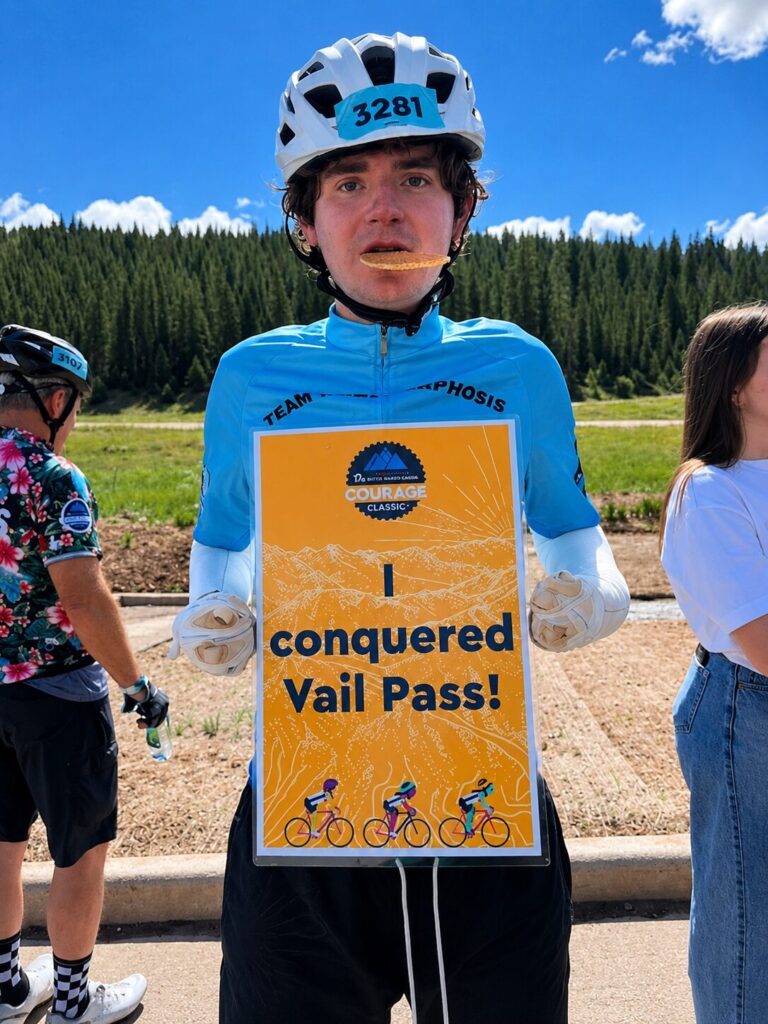
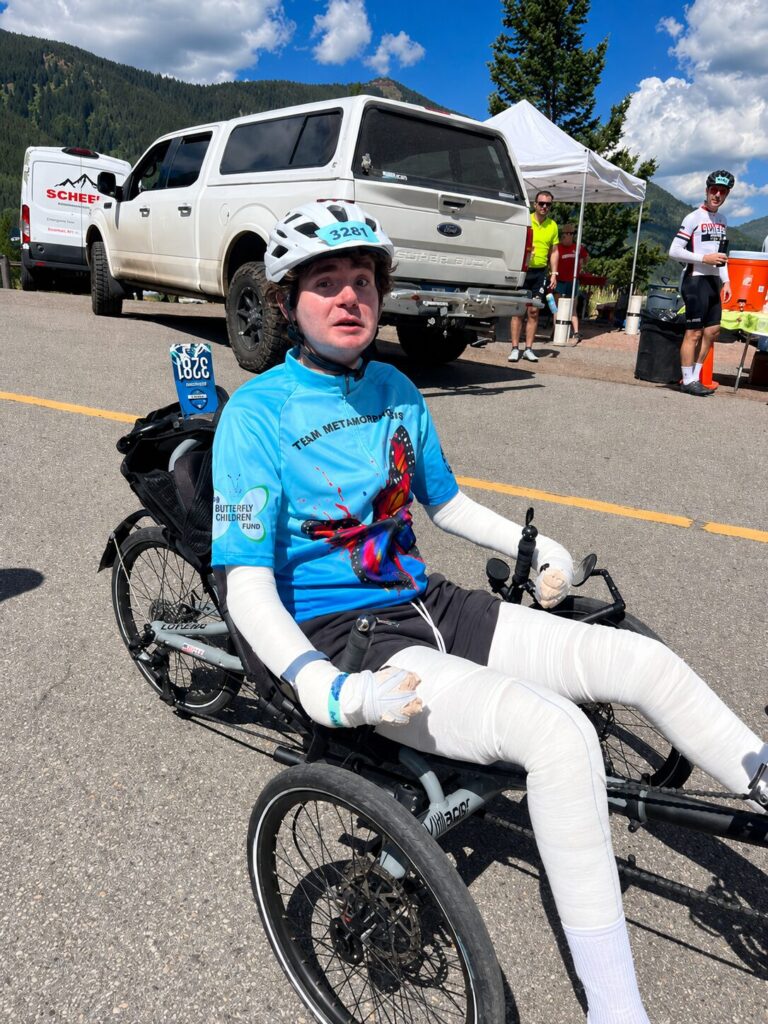
If you met Zack, you might never guess the challenges he overcomes before most people even begin their day. He works, drives a fancy car, enjoys staying active through exercise and biking, and has an active social life. Friends know him for his determination, his positive outlook, and his ability to embrace life despite the obstacles he faces.
What many people don’t see is that every single morning begins with approximately four hours of specialized nursing care before Zack heads to work or spends time with friends.
Zack lives with Recessive Dystrophic Epidermolysis Bullosa (RDEB), a rare genetic condition that causes extremely fragile skin and chronic wounds throughout his body. Even routine movement can cause painful injuries, making expert wound care an essential part of daily life. Managing the condition requires meticulous planning, extensive medical knowledge, and an unwavering commitment from both Zack and those who support him.
For years, that responsibility rested almost entirely on his mother, Kadee.
Finding the Right Support
Behind every four-hour morning routine was a mother doing everything she could to give her son the opportunity to live the life he deserved.
For years, Kadee personally managed every aspect of Zack’s complex wound care. His daily routine revolved around meticulous four-hour bath and bandage changes—a level of care so specialized that many healthcare professionals will never encounter a patient with RDEB during their careers.
Before partnering with Arosa Salt Lake City, that responsibility shaped every aspect of family life.
“Before we were able to establish consistent and capable care for Zack’s needs through Arosa, our lives revolved around Zack’s wound care. I could not work a job, I could not travel or take a much-needed mental health break.”
Finding someone willing to learn Zack’s unique care routine was only part of the challenge. Finding nurses with the clinical expertise, compassion, and commitment to safely care for him felt almost impossible.
“When Zack was born, he sustained horrible skin damage from well-meaning, but uninformed hospital staff. No one hurt him intentionally, but learning how to care for EB is intricate and very intense. It is unlike anything you are taught in any level of nursing school or medical school. Most professionals never see a patient with EB in their entire careers.”
Everything changed when Arosa assembled a dedicated nursing team.
Today, Zack is supported every morning by registered nurses Lisa, Juliet, Alyce, and Maddie, who rotate seven days a week to provide approximately four hours of specialized wound care before he begins his day. Maddie Joklik, an experienced wound care RN, helped train the rest of the team, ensuring consistency and continuity of care across the nursing team.
While Zack’s care requires an extraordinary level of skill, Maddie says what has impacted her most isn’t the complexity of his condition—it’s the relationship they’ve built.
“It’s hard to put into words what caring for Zack has meant to me. Over the last months, my shift has become basically one long yap session. We talk about everything, give each other a hard time, and laugh constantly. He’s made me laugh harder than I ever have with a patient.”
For Kadee, the difference has been life changing.
“To have a full staff of dedicated nurses that come to our house and be humble and willing to learn the unique and extensive process of safely caring for Zack is something I never thought we would experience. We have tried, and tried, and people mean well, but caring for Zack can be hard to understand and hard to emotionally manage.”
What has made the biggest difference isn’t just the team’s clinical expertise—it’s the genuine relationships they’ve built with Zack.
“Zack’s care team through Arosa is a group of the highest functioning nurses I have ever had the privilege of working with. They are kind and compassionate and they work so hard! Zack considers them all trusted friends. They are very personable and treat Zack’s medical needs with the utmost professionalism and then treat Zack personally like a regular 23-year-old male. I truly believe these nurses see him as an amazing and normal human and not as a sick patient.”
Maddie sees that same person every morning.
“It can be easy to focus on Zack’s medical history, but when you really get to know him, you realize that’s the least interesting thing about him. I get to see the guy who roasts me during wound care, somehow always has the perfect comeback, and never lets his circumstances define who he is. He’s been through more than most people could ever imagine, yet he’s still one of the most driven people I’ve ever met.”
What Independence Really Looks Like
When people think about independence, they often picture someone doing everything on their own.
But for Zack and his family, independence has always looked a little different—and that’s something they’re proud of.
“We always knew that independence for Zack would look a little different than it does for people who do not have his disorder. He still experiences independence when he gets to schedule his life and his health care around his own schedule and not around mine. He advocates daily for what’s best for his body. He has the opportunity to teach and train nurses, and this gives him confidence.”
Rather than depending solely on his family, Zack now has a dedicated team of skilled nurses supporting him each morning. That support doesn’t limit his independence—it makes it possible.
After his morning wound care, Zack heads to work, spends time with friends, exercises, drives himself where he wants to go, and continues building the life he has worked so hard to create.
Kadee believes people often misunderstand what independence looks like for someone living with a disability.
“People require cars to get to work, tools to do their jobs, and we consider these people independent. When Zack utilizes a nursing staff he is simply being independent, like everyone else.”
That perspective is something Maddie sees every day.
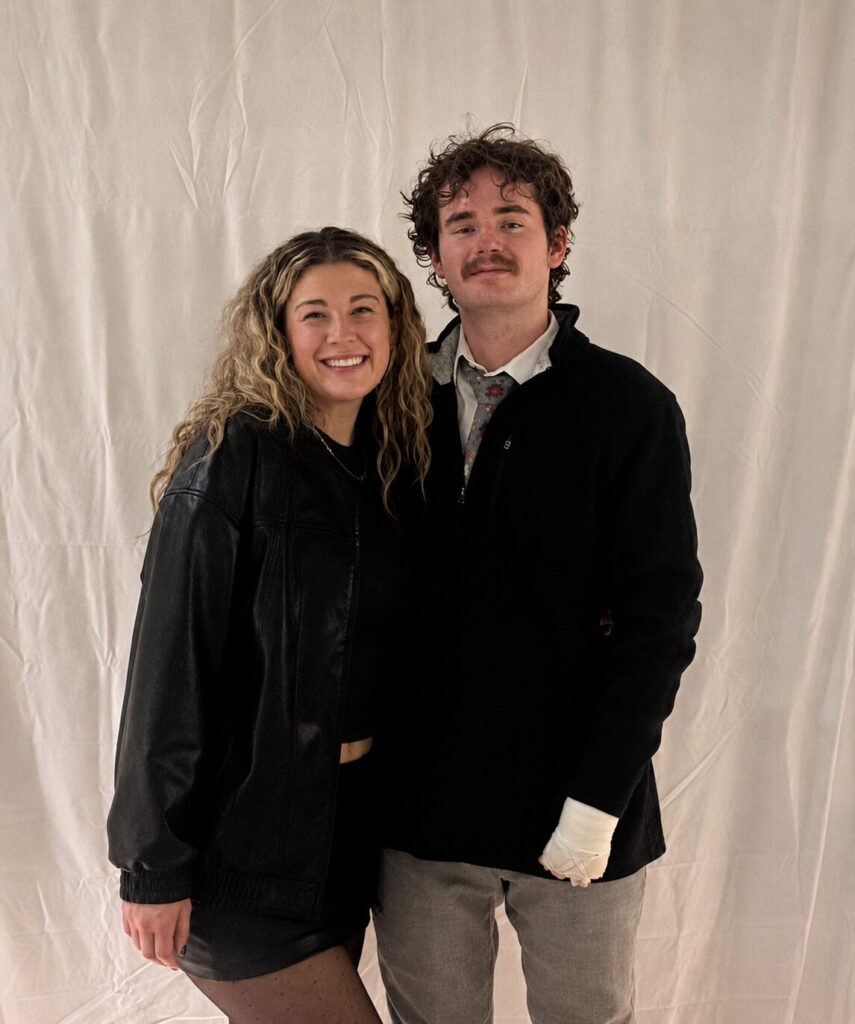
“To me, supporting Zack’s independence means helping him keep being Zack. It’s making sure he has every opportunity to chase the things that are important to him, accomplish the goals he sets for himself, and live life on his own terms. Watching him continue to do that—and knowing our entire team gets to play a small part in making it possible—is what makes this job so meaningful.”
Independence isn’t about doing everything alone. It’s about having the right tools, the right support, and the freedom to make your own choices.
For Zack, that means living life on his own terms—not defined by his diagnosis, but by his determination, resilience, and the goals he continues to pursue every day.
Inspiring Hope for Other Families
For Kadee, Zack’s story isn’t just about overcoming obstacles—it’s about showing what’s possible when determination, expert care, and the right support come together.
Every day, Zack continues to challenge expectations. He works, drives, stays active, advocates for his own healthcare, and pursues the life he wants to live. While his journey hasn’t been easy, it has been defined by resilience, perseverance, and an unwavering belief that his diagnosis does not define him.
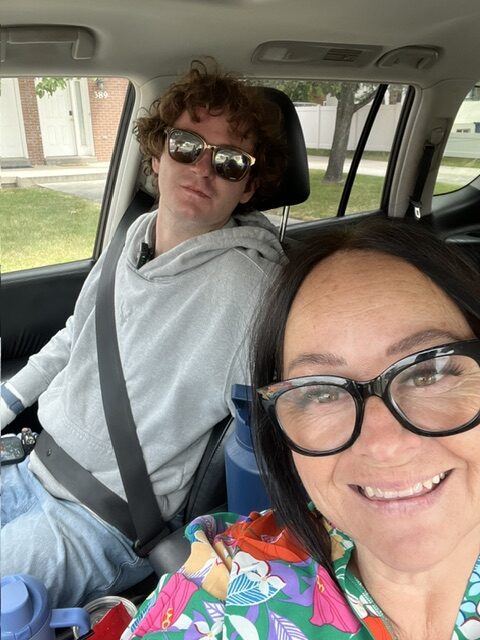
Kadee hopes that by sharing Zack’s story, other families facing rare diseases or complex disabilities will see that they are not alone.
“I see great success in Zack’s life. I see great achievements that we never thought possible, that doctors never thought possible. I see a strong and independent human navigating major obstacles to make his dreams come true.”
She also hopes Zack’s journey inspires others to keep believing in what is possible.
“The beauty in Zack navigating this hard and uphill path makes it possible for the next person to find hope and find a way to make their dreams become a reality also.”
For Maddie, caring for Zack has reinforced one simple truth: the best care is always personal.
“The best care comes from truly knowing the person behind the patient. I’ve been lucky enough to not only get to know Zack, but his entire family. They’ve welcomed me with open arms from day one and have always made me feel like part of the family. That kind of trust is something I never take for granted.”
This Disability Pride Month, Zack’s story reminds us that independence isn’t measured by doing everything alone. It’s measured by the freedom to pursue your goals, make your own choices, and be seen for who you truly are—not your diagnosis.
At Arosa, we’re honored to support individuals like Zack and their families through compassionate, specialized in-home nursing care. More importantly, we’re honored to know Zack—not just as a patient, but as the driven, funny, determined young man who continues to inspire everyone around him. His story is a powerful reminder that with the right support, people don’t just receive care—they continue living life on their own terms.